“Music always evolving, and me as an artiste—I can’t stay in one lane,” Swanny told the Kitcharee via WhatsApp on Thursday.
“I wanted Outside to reflect how far I reach mentally and musically. When I hear Brazilian funk or orchestral builds, it give me a feeling, and I just follow that. It challenge me, yeah, because I had to trust the vibe, not just the riddim. It force me to open up more—to let the music breathe and let the lyrics talk for itself.”
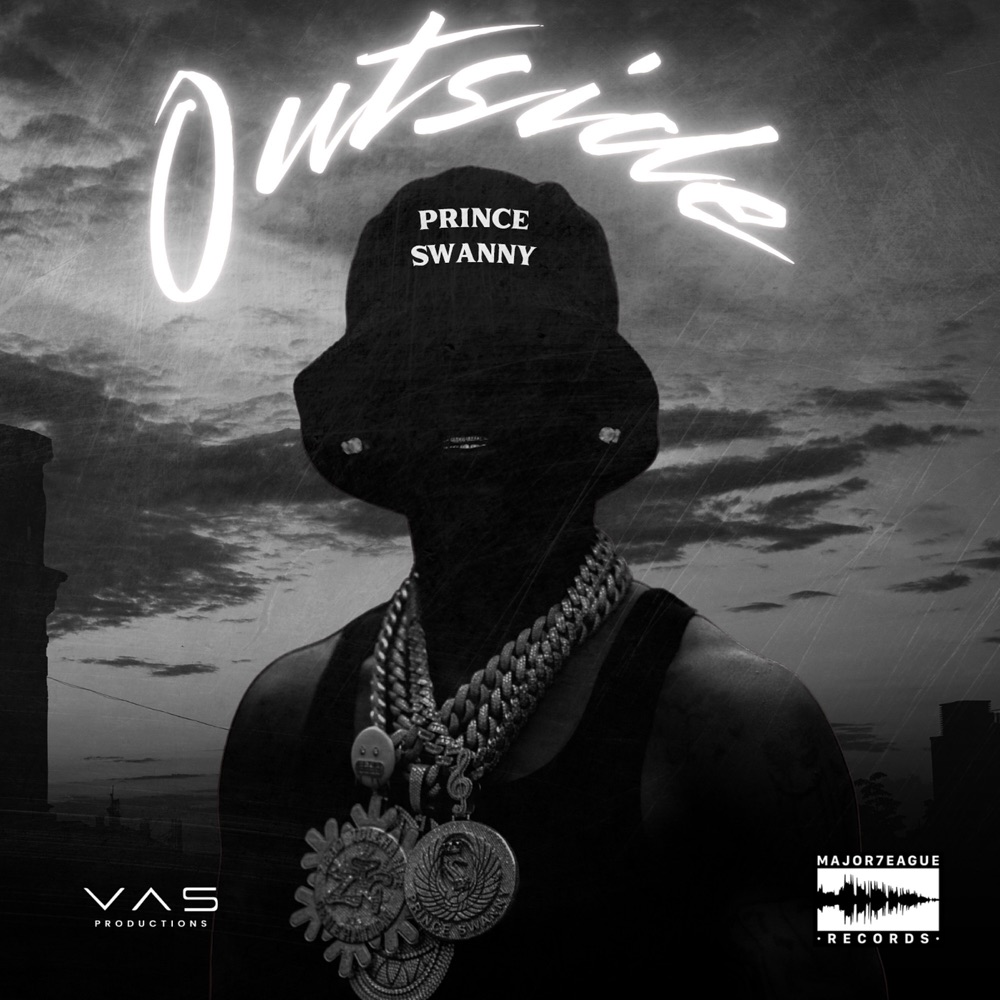
Released under VAS Productions in collaboration with US-based Jamaican multi-platinum record producer Major Seven (Omar Walker), the five-track project expands Swanny’s sound into cinematic territory. It shifts from raw street narratives to lush string sections, from club energy to stripped-back confessionals. It’s the sound of an artiste refusing to be boxed in, without letting go of the street cred that built his name.
Chemistry and growth
The heartbeat of Outside lies in Swanny’s creative bond with Major Seven. Their earlier link-up on the single “Believe” pulled in more than six million YouTube views. This time, the partnership dug even deeper.
Major Seven has worked with US rappers Rick Ross (William Roberts), Jay-Z (Shawn Carter), Future (Nayvadius Cash), Bajan pop princess Rihanna (Robyn Fenty) and hitmakers American/Palestinian DJ Khaled (Khaled Mohammed Khaled) and French/Algerian DJ Snake (William Grigahcine) among others.
“Major Seven is a real one. He different with how he build sound—it’s not just a beat, it’s a world,” Swanny said. “When we link up, he does push me to widen my talent. ‘Believe’ was just the gateway, but with this EP, he bring out a more reflective Swanny. He not afraid to let the beat go quiet, and in that silence, I find space to be more honest. That’s rare chemistry.”
That honesty shows up on tracks like “Street Life,” a bare-bones ballad of grief and pressure, and “Loud”, where the absence of drums leaves his voice exposed.
.jpeg)
“‘Street Life’ real personal. I lose friends, see pain, and feel pressure most people wouldn’t understand,” he admitted. “‘Loud’ was me just letting it out—no filter. I been through things that music is the only way to process. When the beat quiet, it’s like you can’t hide behind nothing. That’s when the truth does come out.”
For fans who first met him on the aggressive “Guh Fi Dem” or the introspective “Brother, Brother”, this is a new shade of Swanny. His defiance remains, but the pen has sharpened.
“Back in the day, it was straight fire, raw energy—survival mode,” he explained. “Now, I still carry that hunger, but I write with more intention. I think about what I want to say, how it will feel ten years from now. I still speak for the streets, but now I also speak from experience, not just in the moment.”
Carrying the Trinibad flag
Even as his music evolves, Swanny insists he remains rooted in Trinibad.
“Trinibad is who I am—that never leaving,” he said. “But at the same time, I want the world to see how versatile we are. I could hold a yard-style riddim and still float on Afro, trap, or anything melodic. It’s about balance. I want people in Lagos, London, or Kingston to feel me—but know it coming from Trinidad.”
That balance defines Outside: orchestral strings on “Liff Up,” trap percussions on “Freak Inna Di Room,” and the Caribbean cadence that anchors every verse. For Swanny, this is about more than genre-bending, it’s about building bridges.
“Definitely. We can’t stay in one bubble,” he reasoned. “The culture rich, but to make impact globally, we have to connect the dots—Caribbean, Africa, UK, Latin America. I see myself as one of them bridge builders. I want people to hear a song and feel like it could play anywhere, but still know it born from the islands.”
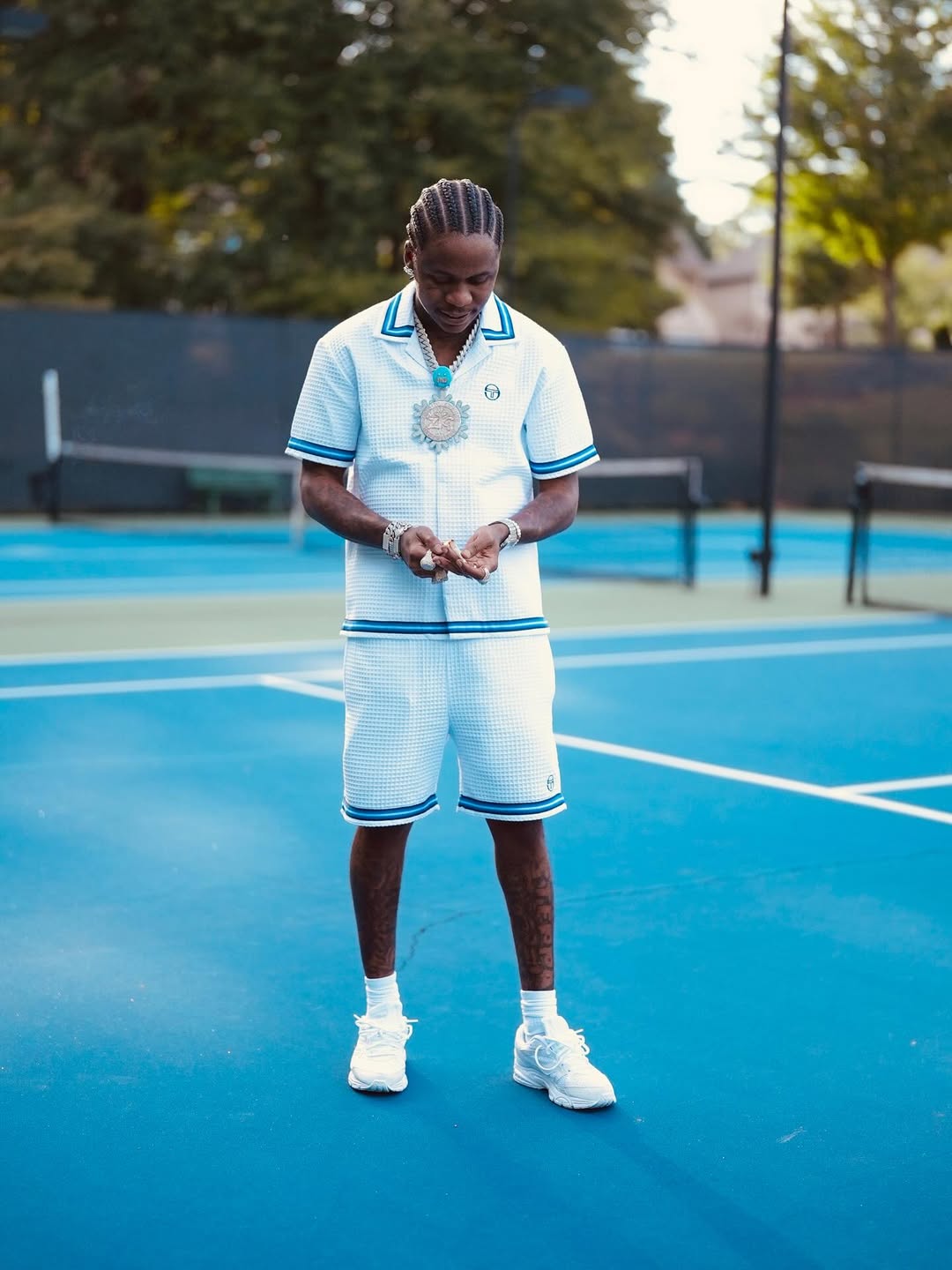
Swanny’s ambitions are already turning real. He has co-signs from Canadian rap star Drake (Aubrey Graham), Nigerian Afrobeats icon Burna Boy (Damini Ogulu) and Jamaican dancehall stars Popcaan (Andrae Sutherland) and Skillibeng (Emwah Warmington), all of whom have shared or supported his work. But beyond validation, Swanny sees his journey as a template for those coming up behind him.
“Respect to all of them, for real. But for me, legacy more than hype,” he said. “I want youths from Laventille or Enterprise to see Swanny make it global and know they could too—without changing who they are. I want to show dem that pain could turn to power, and voice could turn to vision.”
Beyond the hype
Part of what makes Swanny stand apart is his willingness to chase scale without sacrificing spirit. From live instrumentation to talk of film scoring, he is already imagining new horizons.
“All of that, honestly,” he laughed. “I want to touch everything—collabs with artistes across the globe, more live music, maybe even orchestra or score a movie one day. I dreaming big now. I done prove I could hold the mic. Now I want to show I could shape a whole sound.”
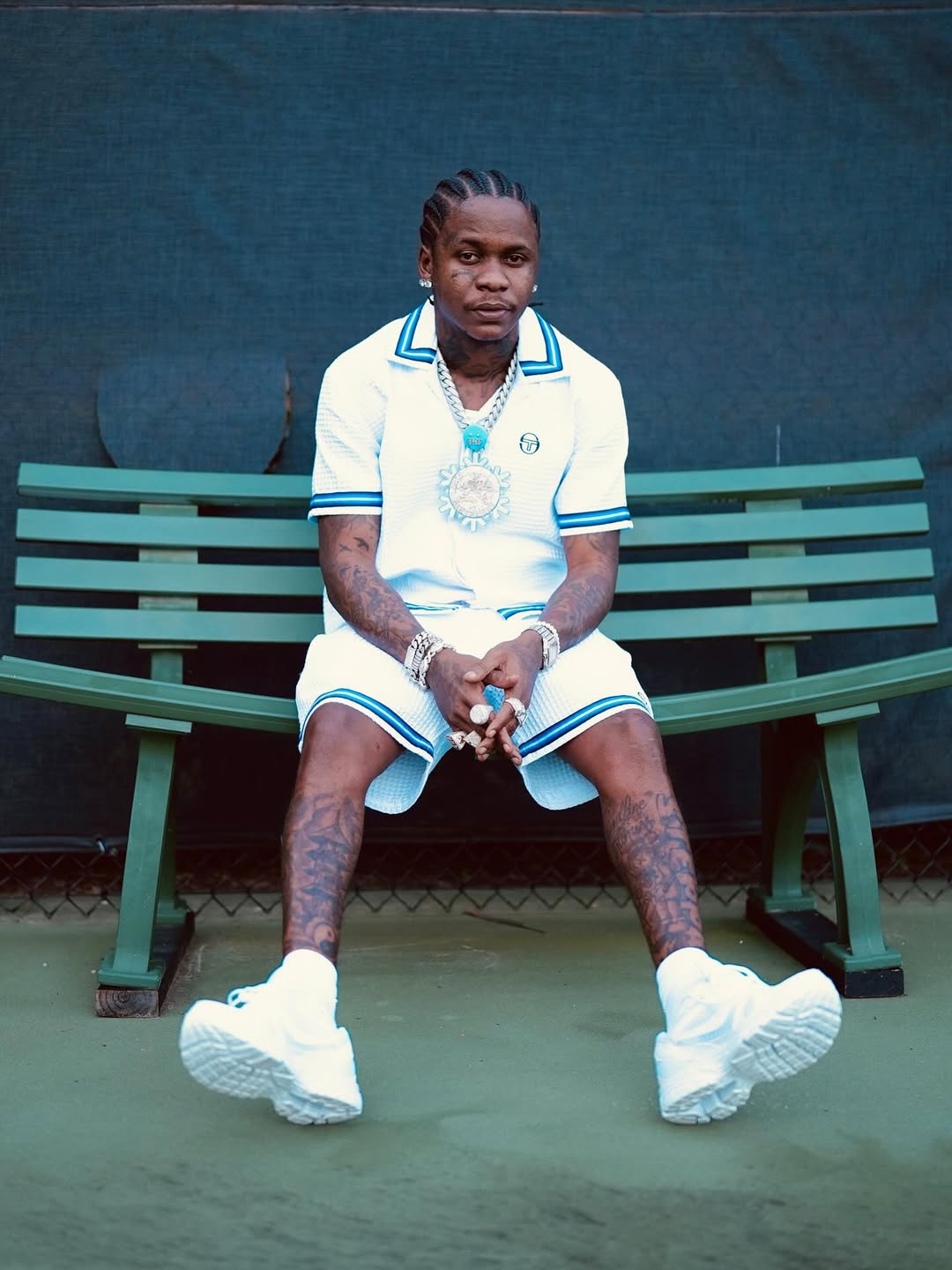
That ambition has always been in him. With Outside, Swanny seems less concerned about chatter and more focused on legacy. The EP is a bridge, yes, but also a marker of where he stands now: still hungry, still searching, still expanding.
“Music is the only way I could process certain things,” he said earnestly. “When you hear these songs, you hearing me in my rawest state. No hiding. That’s the truth I want people to feel.”